
Across Australia, more people are exploring fasting not as a diet trend, but as a meaningful and sustainable reset for both body and mind. From busy professionals in Sydney to wellness seekers in Byron Bay, Australians are discovering that fasting offers more than just weight loss. It can enhance mental clarity, improve digestion, reset your metabolism, and even support emotional wellbeing.
In this guide, Erika’s Holistic Health will walk you through how fasting can transform your health holistically and sustainably.
What Happens to Your Body When You Fast?
Fasting gives your body the chance to rest, repair, and realign. When you’re not constantly digesting, your body shifts into a state known as metabolic switching. During this phase, insulin levels drop, fat stores become accessible, and your body begins cellular cleanup processes like autophagy.
In simpler terms, fasting allows your system to focus on healing instead of just processing food. Many people notice improvements in energy, skin clarity, gut function, and sleep within a few weeks of practicing regular intermittent fasting.
Australians often begin with the popular 16:8 model. 16 hours of fasting followed by an 8-hour eating window. This can be easily adjusted to suit local routines, like eating between 11am and 7pm, which aligns well with our active, sun-filled lifestyle.
Fasting for Mental Clarity and Focus
It’s not just your body that benefits your mind does too. Fasting has been shown to support sharper focus, emotional balance, and reduced brain fog. Many Australians search for “mental clarity fasting” and report better concentration during their fasting windows, especially in the early morning hours when the body is light and the mind is clear.
This happens because fasting helps regulate blood sugar and stress hormones. With fewer highs and crashes, your mental state remains calm and stable. Over time, fasting can train your brain to function more efficiently, even under stress.
Emotional Reset: The Power of Mindful Fasting
In holistic wellness circles, fasting is also used as a tool for emotional healing. Many people realise that their hunger isn’t always physical. Often, it’s driven by boredom, stress, or habit. Fasting creates space to become aware of these patterns and respond with intention instead of impulse.
Australians looking to reset emotional eating have found fasting a powerful way to break cycles of mindless snacking or bingeing. By observing how your body truly feels without food, you begin to trust your hunger cues, recognise emotional triggers, and make peace with food.
How to Start Fasting Safely in Australia
One of the top concerns people have is how to begin fasting without side effects like dizziness, mood swings, or fatigue. The key is to start gradually and support your body with the right nutrition and hydration.
Many Australians begin by simply stopping late-night snacking. For example, finishing dinner by 7pm and not eating again until 9am is a gentle 14-hour fast that fits naturally into a typical day. Over time, this window can be extended, depending on your comfort and goals.
Hydration is especially important in Australia’s climate. Drinking plenty of water, sipping herbal teas, or adding a pinch of sea salt to water during fasting hours helps maintain electrolytes and energy levels.

What to Eat During Eating Windows
The meals you eat during your eating window play a critical role in how well fasting supports your health. Focus on whole, nutrient-dense foods: lean proteins like eggs or fish, healthy fats from avocado or olive oil, complex carbs from sweet potato or brown rice, and colourful veggies that support digestion.
Avoid processed, sugary foods that spike insulin and trigger cravings. Many Australians find that a typical day of fasting-friendly eating includes meals like a veggie-packed omelette, a nourishing salad with grilled chicken, and a light dinner with steamed greens and fish.
A common mistake people make is breaking their fast with heavy, greasy meals. Instead, start gently with something like bone broth, fresh fruit, or lightly cooked vegetables to ease your digestive system back into gear.
Combining Fasting with Gentle Movement
Australians are fortunate to have access to beautiful natural spaces for movement. Fasting works well when paired with gentle exercise like walking, yoga, swimming, or stretching. Many people enjoy a sunrise beach walk or a calm evening yoga session to stay active without overloading their system.
Fasting also enhances your connection to your body. You learn to notice the difference between true fatigue and emotional exhaustion. When you tune into your body’s rhythms, you move because it feels good not because you’re forcing it.
Fasting for Gut Health and Digestion
One of the most searched questions around fasting in Australia is whether it can improve gut health. The answer is yes. During fasting, the digestive tract gets a break, allowing inflammation to subside and the gut lining to heal.

People with bloating, irregular bowels, or food intolerances often find relief when they adopt gentle fasting cycles. When paired with gut-friendly meals rich in fibre and probiotics, fasting becomes a simple yet powerful way to reset the microbiome and improve overall digestion.
Women and Fasting: Hormonal Awareness
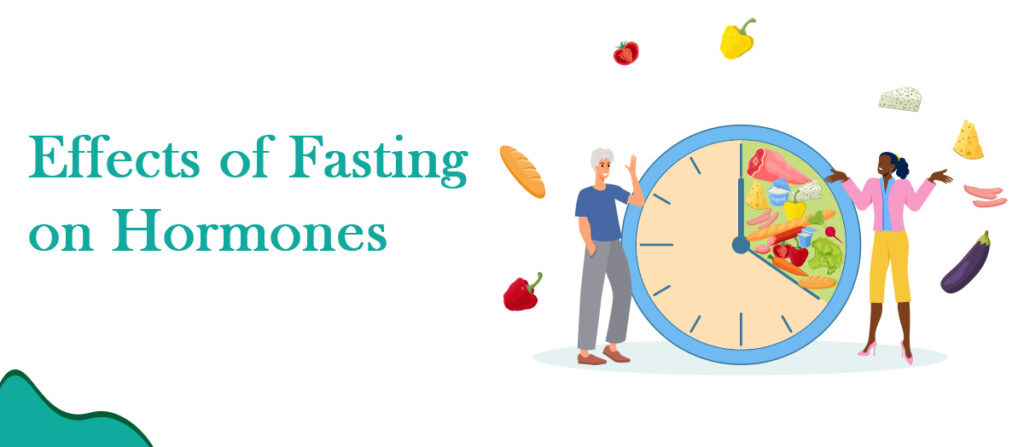
While fasting is beneficial for many, women in particular need to be mindful of their hormonal balance. Intermittent fasting can support hormone health by improving insulin sensitivity and reducing inflammation but it should be approached with care.
For many Australian women, the best approach is to fast around their cycle. Shorter fasting windows or breaks during menstruation and ovulation may help prevent hormonal imbalances or energy crashes. Tuning in to your body’s feedback and adjusting accordingly is key.
Real Stories, Real Results
Across Australia, people of all ages and backgrounds are turning to fasting for transformation. Some share how fasting helped them lose stubborn weight without dieting. Others report better sleep, reduced anxiety, or more confidence around food.
What they have in common is a mindset shift. Instead of fearing hunger, they see it as a natural rhythm. Instead of following strict food rules, they embrace flexibility. Fasting becomes less about control and more about connection with the body, with nature, and with purpose.
Is Fasting Right for You?
Fasting isn’t a one-size-fits-all approach. If you’re pregnant, underweight, recovering from an eating disorder, or managing a chronic illness, you should speak with a qualified practitioner before starting. But for many Australians, fasting can be a gentle and empowering step toward better health.
It works especially well when it’s paired with other holistic practices like breathwork, journaling, gratitude, and mindful eating. These supportive tools help reinforce the physical reset and create long-term lifestyle changes.
Final Thoughts: Fasting as a Gateway to Balance
Fasting isn’t about skipping meals to punish your body, it’s about creating space for healing. When done with awareness, fasting can support your metabolism, calm your mind, improve digestion, and free you from emotional eating cycles.
The Australian lifestyle with its outdoor living, clean air, and natural abundance is ideal for developing a fasting rhythm that feels aligned and sustainable. Whether you’re looking to reset your gut, find mental clarity, or reconnect with your body, fasting may be the tool that helps you realign and reset.
So, start small. Be kind to yourself. And remember: real wellness isn’t found in restriction, but in rhythm, respect, and reconnection.